Featured
Why Literacy Is the Structure for Homeownership Success
How Coral Springs Florida Families Can Survive the 2026 B...

How Coral Springs Florida Families Can Survive the 2026 Budget Plan Cycle
Table of Contents
Adjusting to the Financial Realities of 2026
The economic shifts of 2026 have actually introduced new variables into the mathematics of personal finance. High rate of interest and altering work patterns indicate that standard techniques of preserving a high credit report often fall short. Families throughout the country now deal with a truth where credit accessibility is tighter and scoring designs are more conscious small changes in spending behavior. Comprehending these shifts is the primary step towards restoring a monetary structure that can withstand future volatility.
Credit rating in 2026 are no longer simply a reflection of whether expenses are paid on time. Modern scoring algorithms now position much heavier focus on the ratio of debt to offered credit and the frequency of brand-new credit inquiries. For homeowners in Coral Springs Florida, remaining ahead of these modifications requires a proactive approach to financial obligation monitoring. Lots of individuals discover that even small oversights on little accounts can result in out of proportion drops in their overall score, making it harder to protect real estate or lorry loans.

Strategic Budgeting in Coral Springs Florida
Budgeting in the existing year needs a level of precision that was less important in the past. The increase of subscription-based services and variable utility expenses has made it tough to track every dollar without a structured strategy. Effective financial management in 2026 includes classifying costs into repaired requirements and flexible expenses while strictly limiting the usage of high-interest revolving credit. Keeping concentrate on Credit Counseling often yields long-lasting advantages for those trying to recuperate from previous economic downturns.
A common strategy involves the 50/30/20 guideline, though numerous monetary advisors in 2026 recommend adjusting these percentages to represent greater housing costs. Designating 50 percent of earnings to needs, 30 percent to desires, and 20 percent to debt repayment or cost savings supplies a clear map for daily spending. In the region, where local economic elements vary, tailoring this ratio to fit particular cost-of-living adjustments is necessary for sustainable growth.
The Role of Credit Therapy and Professional Oversight
Navigating the complexities of the 2026 credit market typically needs outdoors knowledge. Organizations like APFSC.ORG operate as U.S. Department of Justice-approved 501(c)(3) nonprofit credit counseling companies. These entities supply a variety of services designed to help people restore control without the predatory costs typically related to for-profit repair companies. Their offerings include complimentary credit therapy, financial obligation management programs, and pre-bankruptcy therapy. Because they are nonprofit, the focus remains on the monetary health of the customer instead of the bottom line of the firm.
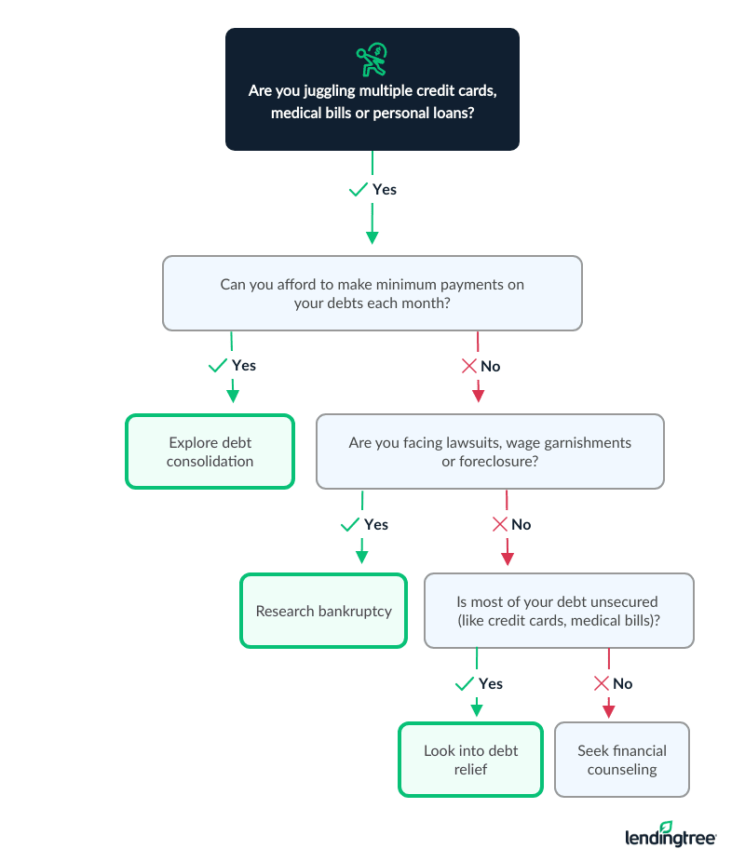
Financial obligation management programs are particularly reliable in the current high-interest environment. These programs work by consolidating various regular monthly obligations into a single payment. The agency works out straight with financial institutions to decrease rate of interest, which can significantly reduce the time required to become debt-free. Nonprofit Credit Counseling Services offers structured guidance for those overwhelmed by monthly obligations, guaranteeing that every payment made goes even more towards minimizing the primary balance.
Improving Ratings through Controlled Financial Obligation Management
When a person goes into a debt management plan, the objective is to show creditors a constant pattern of dependability. While these programs sometimes need closing certain credit accounts, the long-term effect on a credit report is generally favorable due to the fact that it gets rid of late payments and lowers total debt levels. By 2026, creditors have become more going to deal with not-for-profit firms due to the fact that it increases the likelihood of recovering the funds owed. This cooperation benefits the customer by offering a clear path out of high-interest traps.
Financial literacy remains a foundation of the services offered by these firms. Education on how interest compounds and how credit usage impacts ratings allows individuals to make better options as soon as their financial obligation is under control. People residing in Coral Springs Florida can access these resources through local partnerships in between nationwide nonprofits and community groups. This localized technique guarantees that the advice provided reflects the particular financial conditions of the region.
Real Estate Stability and HUD-Approved Therapy
Housing stays among the biggest financial obstacles in 2026. For those looking to purchase a home and even lease a brand-new apartment, a credit report is often the main gatekeeper. HUD-approved housing therapy offers a method for prospective property owners to get ready for the home mortgage procedure. These therapists evaluate a person's financial circumstance and supply a roadmap for enhancing credit to fulfill the requirements of modern loan providers. Homeowners in the immediate region typically count on Credit Counseling in Coral Springs to navigate credit repair specifically geared toward realty objectives.
Beyond acquiring, real estate counseling likewise assists those facing foreclosure or expulsion. By serving as an intermediary in between the homeowner and the lender or landlord, counselors can often find options that secure the person's credit rating from the terrible effect of a legal judgment. This type of intervention is an important part of the nationwide services offered by companies like APFSC, which keeps a network of independent affiliates to reach diverse neighborhoods across all 50 states.
Long-lasting Practices for Monetary Durability
Reconstructing credit is not a one-time event but a series of little, constant actions. In 2026, the most durable individuals are those who treat their credit rating as a living document. Examining reports regularly for mistakes is vital, as the automation of credit reporting has resulted in a boost in technical errors. Disputing these mistakes through the correct channels can lead to instant rating enhancements with no change in actual spending habits.
Diversifying the kinds of credit held is another strategy used in 2026 to boost ratings. While bring a balance is not recommended, having a mix of revolving credit and installment loans reveals a history of managing different kinds of debt. For those starting over, secured credit cards have ended up being a standard tool. These cards require a cash deposit that serves as the credit line, allowing the user to construct a payment history without the danger of overspending.
The economic shifts of 2026 have actually shown that financial security is never ever ensured. However, by utilizing the resources supplied by not-for-profit firms and adhering to rigorous budgeting principles, it is possible to keep a strong credit profile. Whether through financial obligation management, monetary literacy education, or housing counseling, the tools for healing are readily available to those who seek them. Consistency and informed decision-making stay the most effective methods to navigate the present financial environment and prepare for whatever financial changes may come next.

Latest Posts

How Your Town Households Master Debt Roll Overs
Why Literacy Is the Structure for Homeownership Success
Comparing Loan Choices for a Better Financial Future